How to Manufacture High-End Designer Perfume Dupes in 2026
The global fragrance market is experiencing a profound structural shift. Consumers are increasingly drawn to the olfactory profiles of $300 luxury niche fragrances but are aggressively seeking more accessible price points. This demand has fueled the explosive growth of designer perfume dupes. For entrepreneurs, beauty influencers, and retail brands looking to enter this highly lucrative sector, the barrier to entry appears deceptively low. The market is flooded with low-tier suppliers offering cheap, alcohol-heavy knockoffs. Modern consumers, however, possess highly educated palettes. They demand "premium alternatives" that deliver massive longevity, complex dry-downs, and luxurious physical presentation. Building a profitable, long-term brand in this space requires moving past cheap imitations and partnering with a high-end manufacturing facility capable of true olfactory reverse engineering.
The Science of Replication: Gas Chromatography-Mass Spectrometry
(GC-MS)
Creating highly accurate designer perfume dupes is not a matter of guesswork or simply mixing generic fragrance oils. Professional manufacturing relies on rigorous analytical chemistry.
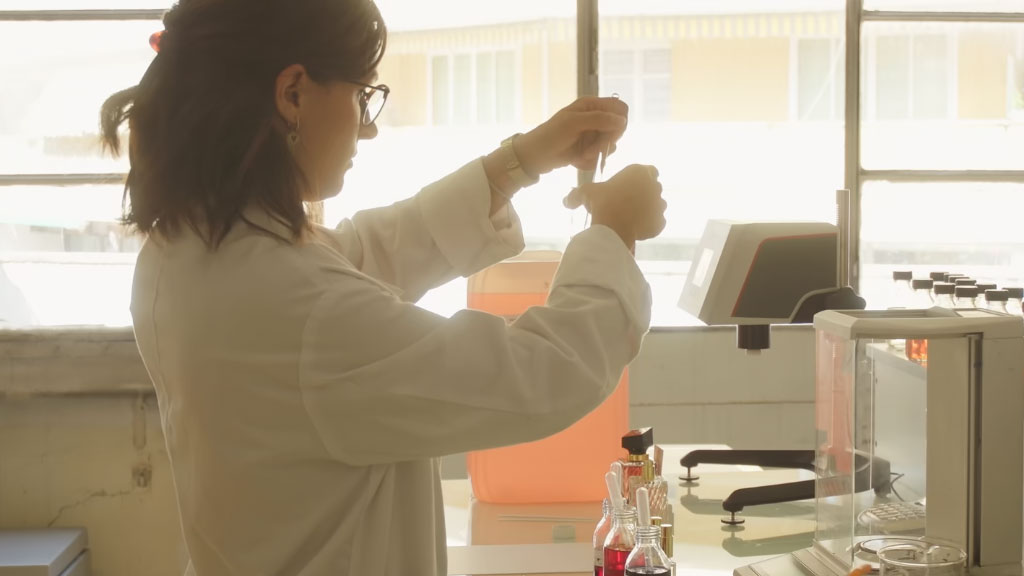
When a brand approaches a high-end facility to recreate a specific olfactory profile, the laboratory utilizes Gas Chromatography-Mass Spectrometry (GC-MS). This advanced diagnostic equipment physically breaks down the target fragrance, separating and identifying the exact molecular compounds and their precise concentrations. Once the chemical blueprint is mapped, master perfumers step in. They reconstruct the top, heart, and base notes. Because certain original molecules may be proprietary "captives" owned by specific fragrance houses, the perfumer utilizes high-quality, legally compliant alternative molecules to bridge any gaps, frequently achieving a scent similarity exceeding 95%.
The Critical Factor: Maceration and Chemical Stability
A common consumer complaint regarding low-grade designer perfume dupes is a harsh, burning ethanol smell upon initial application, followed by a scent that disappears within an hour. This indicates a severe failure in the manufacturing timeline, specifically the omission of the maceration process.
In high-end manufacturing, blending the fragrance concentrate with perfumer's alcohol is only the beginning. The liquid must be stored in temperature-controlled stainless steel vats for a period of four to six weeks. This resting phase, known as maceration, allows the chemical bonds between the alcohol and the aromatic molecules to integrate smoothly. The alcohol smell softens, and the true complexity of the fragrance profile emerges. Following maceration, the liquid undergoes winterization—chilling and micro-filtration to remove insoluble waxes. This ensures the final product remains crystal clear and never clogs the microscopic atomizer pump.
Legalities and IFRA Compliance in "Inspired-By" Perfumery
Navigating intellectual property is a primary concern for business owners launching alternative fragrance lines. Legally, an olfactory scent profile cannot be copyrighted or patented. This legal framework permits the reverse engineering and sale of designer perfume dupes. Brands must ensure, however, that they never utilize the original designer's trademarked name, logo, or specific bottle geometry on their packaging.
Beyond copyright, dermatological safety represents a massive operational risk. A responsible manufacturing partner guarantees that all recreated formulas strictly comply with the International Fragrance Association (IFRA) standards. The facility must provide comprehensive Material Safety Data Sheets (MSDS) and IFRA certificates verifying that the concentrations of specific allergens fall within safe dermal limits. Supplying this documentation ensures the product can clear customs and be legally retailed in highly regulated markets such as the European Union and North America.
Premium Presentation: Bridging the Gap Between Cost and Luxury
The perceived value of a premium alternative relies heavily on tactile feedback. If a highly accurate, long-lasting scent is housed in a cheap, lightweight plastic bottle, the consumer's psychological perception of the product drops immediately.
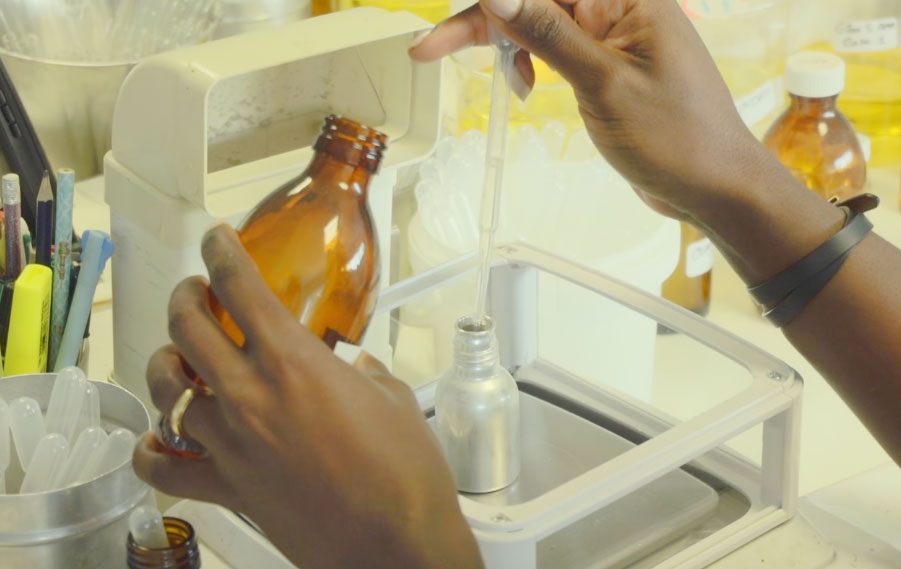
To successfully market high-end designer perfume dupes, brands must invest in structural packaging engineering. This involves sourcing high-clarity flint glass bottles with thick, weighted bases (the glass punt) that feel substantial in the hand. The integration of invisible dip tubes—which match the refractive index of the perfume and visually disappear within the liquid—adds a distinct layer of optical luxury. Replacing standard plastic caps with weighted Zamac (zinc alloy) magnetic closures provides a satisfying acoustic click when the bottle is sealed, delivering a luxury unboxing experience at an accessible retail price point.
Frequently Asked Questions
Q1: Do inspired-by fragrances last as long as the original designer
brands?
A1: Longevity is dictated by the fragrance
oil concentration and the quality of the base fixatives (such as ambroxan or
synthetic musks). If a premium factory formulates the reverse-engineered scent
at an Eau de Parfum (15-20%) or Extrait de Parfum (20-30%) concentration, the
longevity and sillage can easily rival or surpass the original product.
Q2: What is the typical lead time for reverse-engineering a custom
scent?
A2: The initial GC-MS analysis and scent
reconstruction phase typically requires 2 to 4 weeks. Once the client approves
the physical sample, mass production, maceration, and final bottling will
generally consume an additional 30 to 45 days.
Q3: Can a brand request modifications to a reverse-engineered
formula?
A3: Yes. Many brands request a "twist" on
a popular scent to establish a unique market position. For example, a brand
might ask the perfumer to take the base profile of a famous woody fragrance and
add a stronger top note of cherry or bergamot to create a unique flanker.
Q4: Why do some clone perfumes smell overwhelmingly of rubbing
alcohol?
A4: An aggressive alcohol odor indicates
that the manufacturer skipped the maceration phase to speed up production. The
chemical bonds lacked the required four to six weeks of resting time to
integrate smoothly with the ethanol carrier.
Q5: Does the manufacturing factory handle the crimping of the spray
pumps?
A5: Professional turnkey facilities handle
the entire process. For luxury perfumes, the atomizer pump must be mechanically
crimped (pressed) onto the glass bottleneck to create a permanent, leak-proof
seal. This process requires specialized pneumatic machinery to prevent leakage
during international transit.
Launch Your Premium Fragrance Brand with Kourtisanes
Capturing market share in the alternative fragrance sector requires delivering exceptional olfactory quality that defies consumer expectations. Operating as an elite, end-to-end manufacturing partner, Kourtisanes elevates the concept of reverse engineering. We provide highly accurate GC-MS scent development, strict temperature-controlled maceration protocols, and luxury turnkey packaging solutions. From heavy flint glass sourcing to premium Zamac hardware integration, our manufacturing infrastructure ensures your brand rivals legacy designer houses in both scent longevity and visual prestige. Contact the Scent R&D team at Kourtisanes today to discuss your target fragrance profiles and request a high-end formulation sample.