
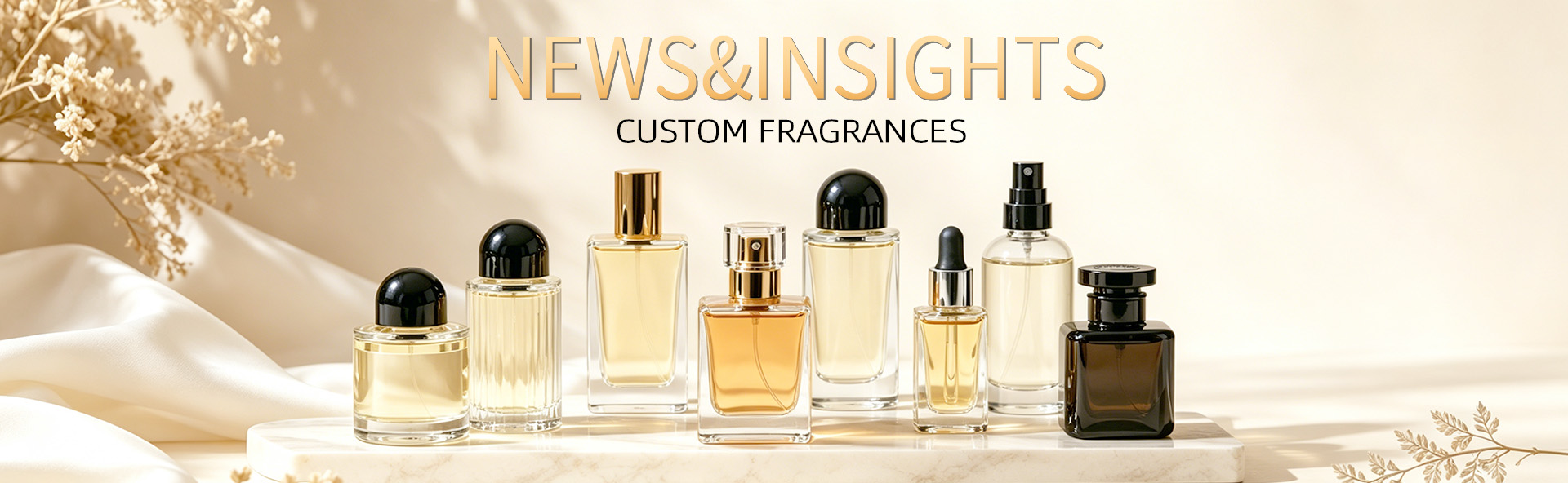
Top 10 China Perfume Suppliers for Luxury & Niche Fragrance Brands [2026 Guide]
The global fine fragrance industry is witnessing a structural shift. For decades, heritage fragrance houses relied almost exclusively on European manufacturing hubs in France and Italy. Today, boutique perfumers, high-growth direct-to-consumer (D2C) founders, and private labels look toward Asia for production agility. Partnering with a specialized china perfume supplier has become the preferred operational path for brands demanding bespoke packaging and high-grade compounding without prohibitive costs.
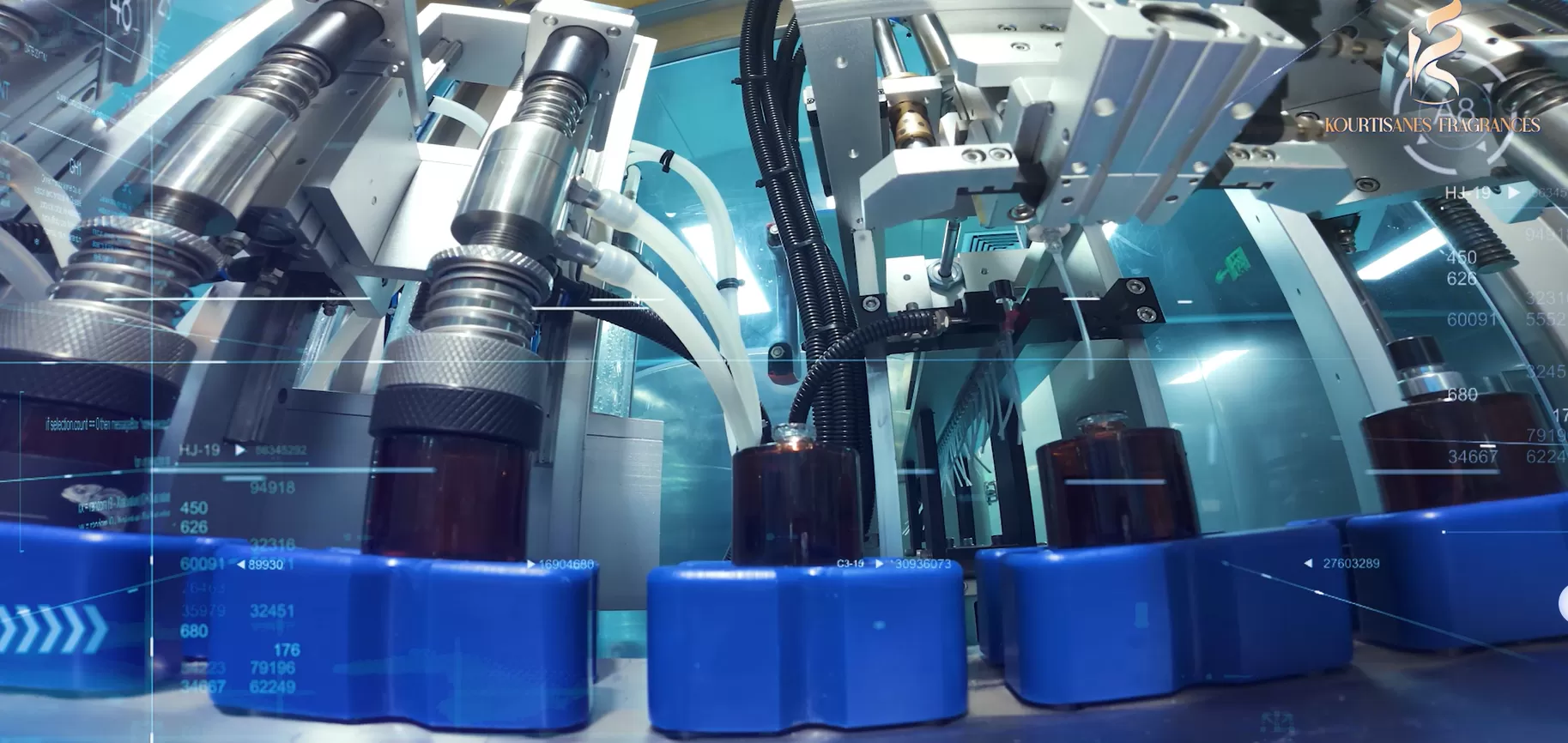
Modern Chinese manufacturing no longer means mass-market knockoffs. High-end ateliers like Kourtisanes and specialized manufacturing parks across Guangdong and Zhejiang have changed the rules. They combine master perfumery ingredients, automated cleanrooms, and artisanal glassmaking. As an indie creator or an established beauty group, finding the right manufacturing partner determines whether your product stands proudly on luxury boutique shelves or leaks in transit.
This 2026 guide breaks down the top ten fragrance manufacturers in China, reviews essential technical benchmarks, and outlines how to safeguard your brand when sourcing overseas.
4 Essential Criteria for Evaluating a Luxury China Perfume Supplier
Do not judge a fragrance factory purely on attractive digital renders or glossy sample photos. Building a luxury fragrance line demands clinical formulation standards and industrial engineering precision. Use these four benchmarks during your supplier vetting process.
1. Compliance and International Certifications
Fragrance formulas face rigorous global safety inspections. Your chosen manufacturing partner must provide transparent documentation for your target markets:
IFRA Standards: The manufacturer must formulate strictly within the latest International Fragrance Association amendments, providing Certificates of Conformity for every batch.
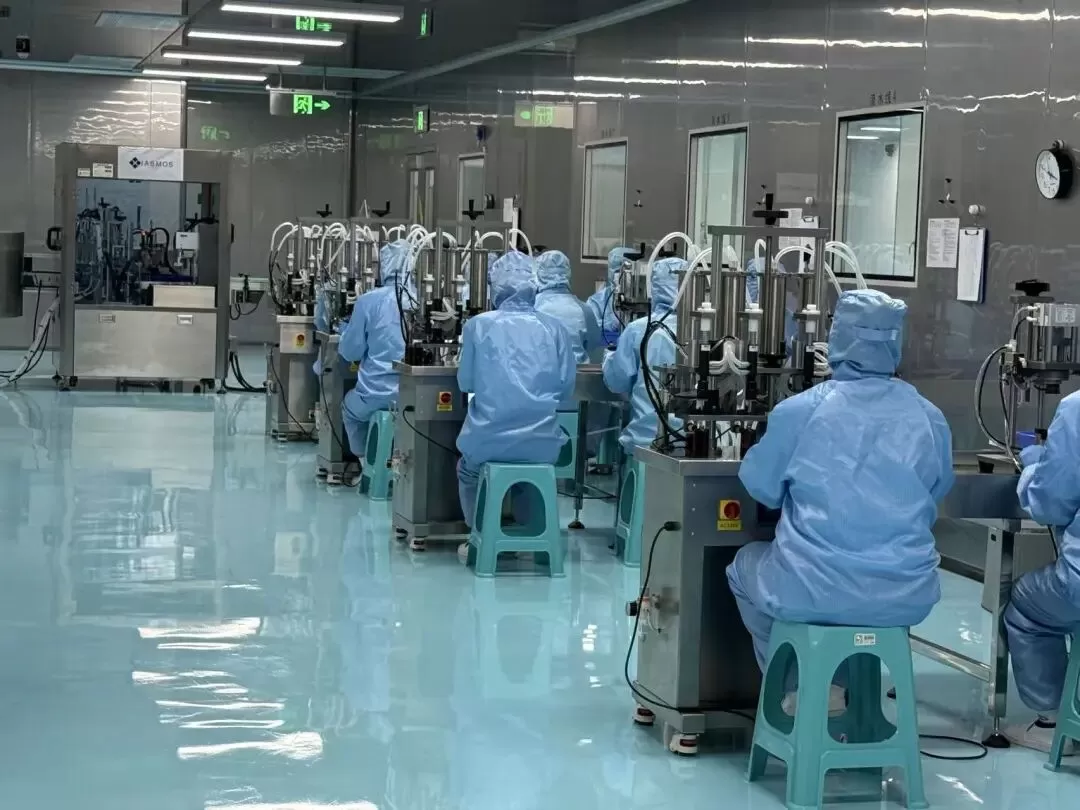
Facility Audits: Verify ISO 22716 and GMPC (Good Manufacturing Practice for Cosmetics) certifications. These confirm cleanroom conditions, micro-organism filtration, and automated sanitization.
Export Registrations: The lab must supply compliant Safety Data Sheets (SDS), stability test reports, and technical dossiers required for the US FDA MoCRA regulations and the EU Cosmetic Product Notification Portal (CPNP).
2. Formulation Integrity and Controlled Maceration
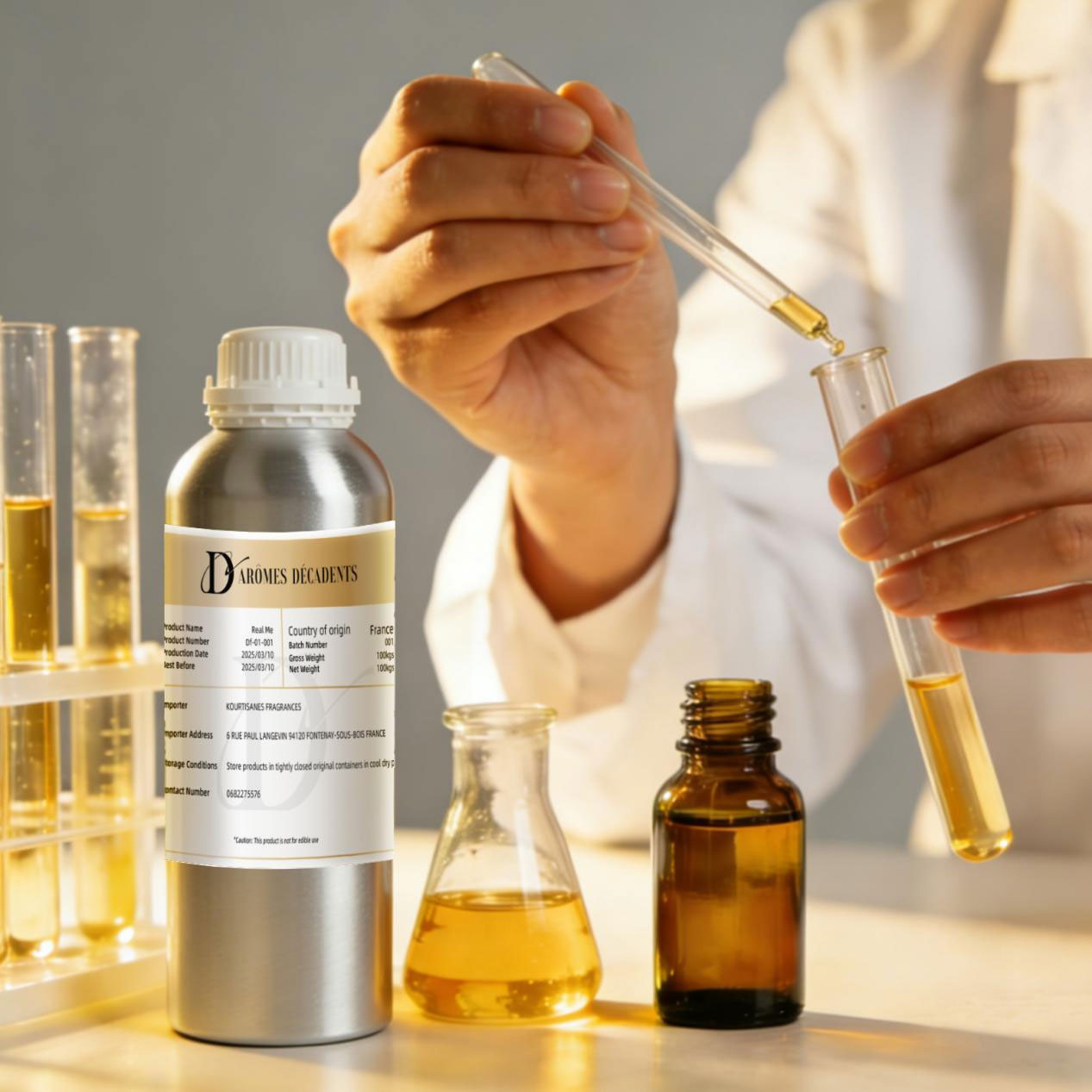
A fine fragrance demands more than blending aromatic compounds with denatured ethanol. Sourcing requires elite supply chains. Top manufacturers source raw essences directly from fragrance giants such as Symrise, Givaudan, dsm-firmenich, or Mane.
Inquire about their maceration and maturation protocols. Niche perfumery requires raw oil concentrates to mature for several weeks. Once diluted in perfumer-grade alcohol, the blend requires chilled maceration—often at 0 to 4 degrees Celsius—followed by multi-stage fine filtration. Skipping this process leaves harsh chemical notes and cloudy sediments in the bottle.
3. Haute Packaging Craftsmanship and Engineering Tolerances
Your packaging communicates perceived value before the customer smells the top notes. A premium china perfume supplier must master luxury component manufacturing:
Super Flint Glass: Insist on crystal-clear super flint glass featuring pure clarity, flat mirror-polished bottoms, and minimal vertical seam lines.
Pumps and Actuators: Premium sprayers should offer smooth actuation with an even, cloud-like mist. Invisible dip tubes must blend seamlessly into the liquid juice.
Hardware and Closures: Luxury buyers demand weight. Check for heavy zinc alloy (Zamac) caps, secure magnetic click closures, and scratch-resistant physical vapor deposition (PVD) finishes.
4. Production Agility and Flexible MOQs
Traditional European factories often demand minimum order quantities (MOQs) starting at 10,000 or 20,000 units per Stock Keeping Unit (SKU). For an independent luxury brand, this ties up vital capital. Leading Chinese contract manufacturers offer hybrid production runs. They support test batches of 1,000 to 3,000 units using modular components, then scale up seamlessly to 100,000 units when market demand spikes.
Comparison of the Top 10 Fragrance Manufacturers in China
| Manufacturer | Primary Specialization | Estimated MOQ | Key Certifications | Best Suited For |
|---|---|---|---|---|
| Kourtisanes Solutions | Turnkey Luxury OEM/ODM & Packaging | 1,000 - 3,000 pcs | IFRA, ISO 22716, GMPC, FDA | Niche salon brands, high-end private labels |
| Huabao International | Raw Essence Extraction & Compounding | 5,000+ pcs | ISO 9001, ISO 14001, HALAL | Large retail beauty groups, base oils |
| Bawei Biotechnology | High-Capacity Cosmetics & Perfumery | 5,000 pcs | GMPC, ISO 22716, Sedex | Mass-market retail brands, body mists |
| SGS Glass Packaging | Super Flint Glass Bottle Manufacturing | 10,000 pcs | ISO 9001, RoHS | Custom mold packaging development |
| Cosmax China (Fragrance Div.) | Clinical Compounding & Formulation | 5,000 pcs | ISO 22716, ECOCERT | Commercial fashion and lifestyle lines |
| Aroma Botanical Labs | Clean & Natural Perfumery Formulations | 1,000 pcs | USDA Organic, IFRA, ISO 22716 | Indie botanical perfumes, clean scents |
| Abely Fragrance | Custom Hardware, Zamac Caps & Bottles | 3,000 pcs | ISO 9001, SGS audited | Bespoke caps, custom decorative designs |
| Jiaxing Minhui Glass | Heavy-Base Cosmetic & Perfume Glass | 10,000 pcs | ISO 9001 | Thick-bottom classic luxury bottles |
| Bouncen Fragrance | Rapid Private Label Fragrance Assembly | 2,000 pcs | GMPC, ISO 22716 | Fast-turnaround e-commerce ventures |
| PurePerfume Tech | Actuator Pumps & Crimp Closures | 5,000 pcs | ISO 9001 | Specialized invisible-tube pump sourcing |
Detailed Profiles of the Top 10 Chinese Fragrance Manufacturers
1. Kourtisanes Solutions (Turnkey Haute Perfumery)
Kourtisanes stands out as an engineering-driven powerhouse for boutique, salon, and high-end fragrance houses. Rather than treating perfume production as simple liquid-filling, the company brings an engineering background to component tolerances, liquid stability, and aerosol mechanics.
The facility provides true end-to-end turnkey manufacturing. Their services cover initial scent mapping with European-trained noses, custom heavy-weight glass blowing, precision Zamac mold design, controlled maceration, and hazardous goods shipping logistics. With realistic MOQs and zero-leakage crimping technology, Kourtisanes is the premier partner for luxury brands seeking runway-ready finishes.
2. Huabao International Holdings
Huabao is an established industrial force in flavors and raw fragrance compounds. Operating massive research parks in southern China, Huabao specializes in natural extraction, synthetic aroma molecules, and large-scale bulk compounding. While they are less focused on small-run custom bottle manufacturing, they serve as a top-tier chemical supplier for major fragrance producers worldwide.
3. Bawei Biotechnology
Guangdong Bawei is a cosmetic and perfumery manufacturing powerhouse. Their automated facilities run dozens of high-speed filling lines designed for scale. They maintain sophisticated analytical laboratories with chromatography equipment to guarantee batch-to-batch consistency. Bawei is a reliable choice for commercial retail labels that need high-volume, cost-effective Eau de Parfum and body mist runs.
4. SGS Glass Packaging
Located in the heart of China’s glass manufacturing corridor, SGS Glass is dedicated strictly to outer packaging. They produce heavy-base bottles, custom perfume flacons, and specialty cosmetic jars. Their super flint glass lines rival the purity of historic European glass houses, making them an ideal packaging vendor if you handle your own compounding separately.
5. Cosmax China (Fragrance Division)
Cosmax is an established OEM/ODM leader with deep operational roots across China. Their fine fragrance division supports lifestyle brands looking to build prestige perfume collections. Cosmax offers vast libraries of pre-tested base formulations, simplifying safety filings for beauty brands eager to launch on tight deadlines.
6. Aroma Botanical Labs
Aroma Botanical Labs caters directly to the clean beauty sector. If your brand ethos centers on cold-pressed plant extracts, organic grain alcohols, and natural aromatic isolations, this lab offers verified cleanroom production. They avoid synthetic phthalates, nitro-musks, and artificial colorants, formulating strictly within IFRA and green cosmetics parameters.
7. Abely Fragrance
Abely provides extensive packaging customization options for export-focused clients. Based in Guangzhou, they excel in exterior ornamentation. Their catalog covers zinc-alloy die casting, custom screen printing, hot stamping, and internal lacquering. They are well-regarded for their flexible, ready-to-mold caps and distinctive luxury closures.
8. Jiaxing Minhui Glass
Minhui Glass specializes in thermal shock resistance and heavy-bottom mold designs. Their engineering teams focus on eliminating air pockets and internal glass flaws, delivering the solid, grounded feel that consumers expect from luxury fragrances. They maintain high-output kilns that suit brands preparing for international retail expansion.
9. Bouncen Fragrance
Bouncen is an agile private-label supplier offering fast turnarounds for digital-native brands and fast-beauty retailers. They keep standardized luxury bottles, sprayers, and outer boxes in stock, enabling fast packaging assembly. Brands working on rapid product drops turn to Bouncen to test new scent concepts before committing to custom tooling.
10. PurePerfume Tech
PurePerfume Tech focuses on fluid dynamics, specialized pumps, and closures. Their core breakthrough is micro-machined invisible dip tubes that vanish when submerged in alcohol-based formulas. They solve common industry issues like pump leaks, collar fractures, and nozzle clogs, making them an essential component partner.
Why Brands Partner with Kourtisanes for Turnkey Fragrance Production
Sourcing disparate components from three or four different vendors creates serious supply chain risks. When a leak occurs, the glass maker blames the pump manufacturer, and the crimping factory blames both. Full turnkey execution from an integrated partner like Kourtisanes eliminates these operational headaches.
Kourtisanes bridges the gap between boutique perfumery vision and industrial execution:
Tolerance Precision: Every custom bottle neck, collar, and actuator undergoes strict optical comparator checks. Crimp fits remain leak-proof even under high-altitude air transit pressures.
Dedicated Aging Protocols: Formulas never leave the blending tanks prematurely. Concentrates and finished blends macerate for adequate durations, ensuring round, rich scent profiles.
Comprehensive Regulatory Support: Exporting hazardous Class 3 flammable liquids requires specialized handling. Experienced teams handle dangerous goods documentation, UN-rated outer cartons, and smooth customs clearances without surprise shipping delays.
Sourcing Checklist: Avoiding Critical Sourcing Pitfalls
Protect your investment and your brand reputation by auditing these three technical areas before releasing purchase orders to any china perfume supplier.
Verify Real Maceration Capabilities
Many low-cost factories mix raw fragrance oils with alcohol and immediately pump the solution into bottles. Unmacerated perfume smells sharp, harsh, and predominantly alcoholic. Ask the factory manager to document their maceration cellars. Request proof of temperature-controlled storage tanks and inquire about their sub-zero chilling and filtration systems.
Understand Hazardous Goods Transport (UN 1266)
Perfumes containing high-proof ethyl alcohol are legally classified as Class 3 Dangerous Goods (UN 1266, Flammable Liquids). If an inexperienced supplier packs your goods without proper UN-specification packaging, dangerous goods declarations, and MSDS paperwork, customs authorities will seize the shipment at the port. Confirm early on that your manufacturing partner holds certified export channels for flammable cargo.
Clarify Mold Ownership and Intellectual Property
If you pay custom tooling fees for an original bottle silhouette or an engraved Zamac cap, protect that asset explicitly. Your contract must state clearly that your brand owns the mold, its CAD engineering drawings, and all production rights. Ensure your supplier signs a strict non-disclosure agreement (NDA) barring them from displaying or selling your bespoke hardware to third parties.
Frequently Asked Questions
Q1: What is the typical minimum order quantity (MOQ) for a custom
perfume project in China?
A1: MOQs depend on customization levels.
Fully custom-molded glass bottles usually demand 10,000 units due to glass kiln
operation limits. However, full-service turnkey manufacturers like Kourtisanes
provide flexible options starting at 1,000 to 3,000 units by combining
semi-custom luxury bottles with bespoke zamac caps, premium decoration, and
tailored fragrance formulations.
Q2: Can a China perfume supplier produce scents compliant with
European CPNP and US MoCRA laws?
A2: Yes, provided you partner with
a certified manufacturer. High-end laboratories compound formulas strictly under
current IFRA guidelines, utilize safe cosmetic-grade denatured ethanol, and
supply heavy metal testing, challenge test data, stability test reports, and
fully compliant SDS documentation.
Q3: How long does the production timeline take from initial concept
to delivery?
A3: Using private-label stock components, production
typically spans 35 to 50 days. If your project involves custom glass molds,
bespoke cap tooling, and full maceration protocols, expect a timeline of 90 to
120 days. This schedule accounts for steel tooling, sampling approvals, mass
casting, chilling, and mandatory maceration.
Q4: How do I verify that a Chinese supplier uses genuine, high-grade
fragrance oils?
A4: Request a formal Certificate of Origin and a
Certificate of Analysis (COA) for the aromatic compounds. Trusted manufacturers
maintain direct sourcing contracts with major international flavor houses like
dsm-firmenich, Givaudan, or Symrise, and will readily share GC-MS (Gas
Chromatography-Mass Spectrometry) purity reports.
Q5: What is the difference between standard flint glass and super
flint glass?
A5: Standard flint glass contains minor mineral
impurities that can impart a faint greenish or brownish tint, especially in
thick bases. Super flint glass utilizes premium raw materials to yield
exceptional clarity, brilliant light refraction, and a mirror-like finish that
mirrors pure crystal.
Take Your Fragrance Brand to Market
Selecting the right manufacturing partner is the most critical operational decision your fragrance company will make. The right manufacturer protects your margins, shields you from international compliance headaches, and ensures every spray delights your end customer.
Whether you are creating an artisanal niche collection or expanding an established private label, partner with an engineering-focused team that understands fine perfumery. Contact Kourtisanes today to discuss your fragrance project, request a component sample kit, or receive a fast, detailed quotation for your upcoming production run.
![Top 10 China Perfume Suppliers for Luxury & Niche Fragrance Brands [2026 Guide]](https://www.ktsfragrance.com/view/pc/static/img/pic6.png "Top 10 China Perfume Suppliers for Luxury & Niche Fragrance Brands [2026 Guide]")