
Beyond a High-End Fragrance Supplier: Sourcing Turnkey Perfume Manufacturing
The global luxury niche fragrance market operates under fierce competition. For fashion houses, boutique hotels, and independent designers looking to launch a signature scent, the initial instinct is to search the market for a high-end fragrance supplier. Acquiring a beautifully composed fragrance oil is merely the first step in a notoriously complex supply chain. The true hurdles to market entry lie in chemical stabilization, regulatory compliance, and precision structural packaging. Partnering with a basic liquid supplier leaves brands vulnerable to fragmented logistics, leaking bottles, and harsh alcohol notes. This guide explains why successful luxury brands bypass basic suppliers in favor of comprehensive, turnkey manufacturing partners capable of delivering an authentic, retail-ready olfactory experience.
Scent R&D: The Difference Between Buying Oil and Olfactory
Engineering
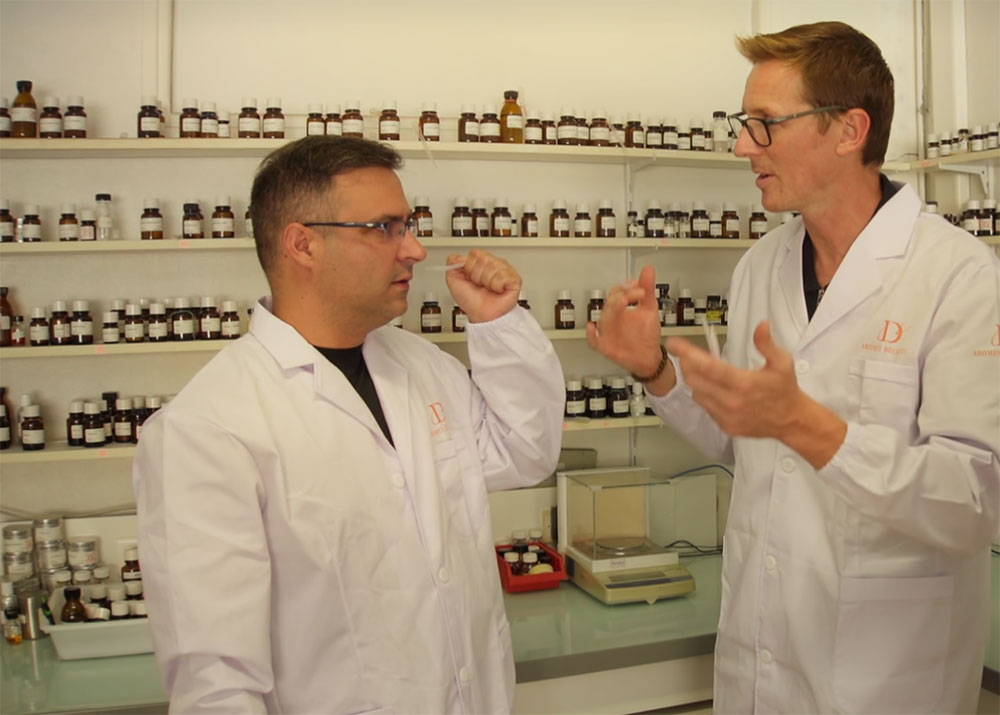
A standard high-end fragrance supplier typically sells pre-mixed bulk oil drums, leaving the complex chemistry of final formulation to the buyer. A premium manufacturing partner engages in true Scent R&D. Developing a luxury perfume requires designing a complex olfactory pyramid (top, heart, and base notes) specifically engineered to react flawlessly with perfumer's alcohol and human skin chemistry over an extended 12-hour wear cycle.
This level of bespoke fragrance development requires collaboration with master perfumers. Elite manufacturing ecosystems do not rely on stock formulas; they collaborate with senior French perfumers and renowned local specialists to design bespoke scents utilizing premium raw materials. These materials include high-end, IFRA-compliant fragrance oils sourced directly from France, blended with ECOCERT-certified organic ethanol to ensure a natural, stable, and eco-friendly final product.
The Critical Maceration Process
A fatal, yet common, mistake brands make when buying solely from a high-end fragrance supplier is bottling the mixed juice immediately. Luxury perfumery absolutely requires maceration. This is the integration period where the complex esters within the fragrance oil bind chemically with the ethanol carrier.
The manufacturing facility must store the raw perfume in temperature-controlled stainless steel vats for four to six weeks. This resting phase eliminates the harsh, burning alcohol scent that plagues low-tier perfumes. Following maceration, the liquid undergoes winterization—a chilling and micro-filtration process. This drops out any insoluble botanical waxes, ensuring the final perfume remains crystal clear in the glass bottle and never clogs the microscopic atomizer pump.
Building a Comprehensive Fragrance Product Matrix
Scaling a fragrance brand requires diversifying the catalog to capture different consumer demographics and retail seasons. A capable manufacturing partner possesses the production flexibility to execute an entire product matrix simultaneously, preventing the brand from needing to source different vendors for different SKUs.
Signature Brand Perfume: Developing flagship retail lines with exclusive olfactory profiles that define your fashion house or lifestyle brand identity.
Targeted Demographics (Men's, Women's, and Unisex Perfume): Utilizing market data and master perfumers to craft specific scent profiles. This ranges from deep, woody masculine notes and delicate feminine florals to modern, gender-neutral unisex blends that appeal to contemporary consumer trends.
Perfume Gift Set Configurations: Engineering complex internal packaging (such as velvet or custom EVA foam inserts) to present multi-bottle discovery sets or holiday collections. This maximizes the retail price point and vastly improves gifting appeal in duty-free or boutique environments.
Premium Bulk Perfume: Supplying fully macerated, IFRA-compliant juice in heavy-duty industrial drums for brands operating large-scale filling facilities or executing sustainable, in-store refill station models.
Premium Bottling and Structural Packaging
The most exquisite fragrance is useless without flawless containment. The perceived value of a luxury perfume relies heavily on its tactile presentation and structural engineering. The bottling phase requires sourcing heavy flint glass (high-clarity glass) with a thick, weighted base that feels substantial in the hand.
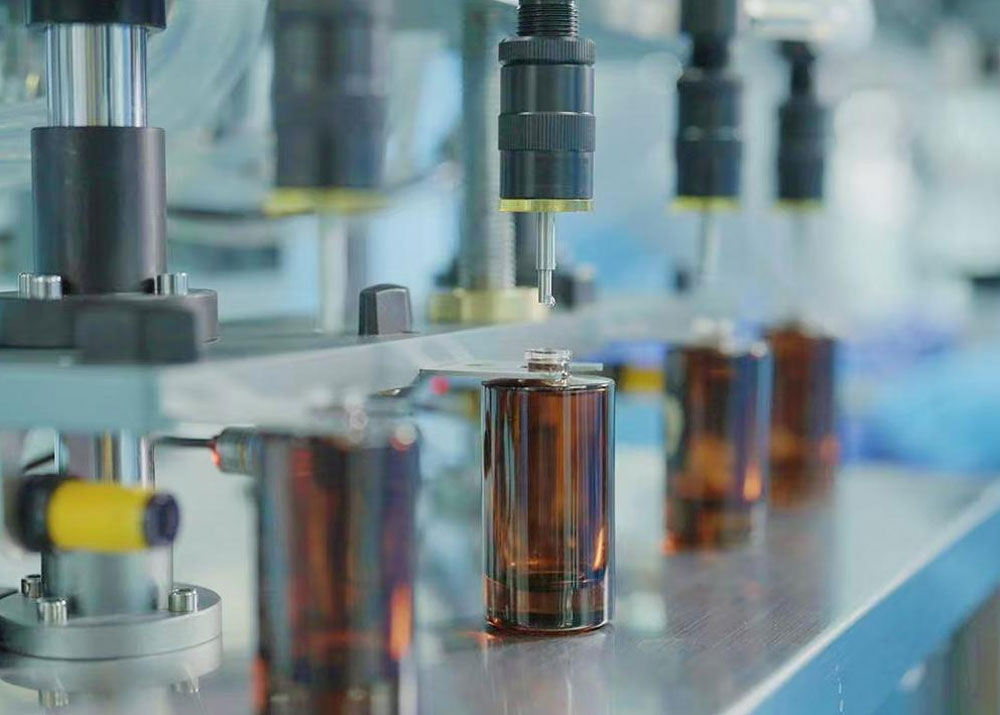
Attaching the spray mechanism requires industrial precision. Standard screw-top bottles inevitably lead to disastrous evaporation and leakage during international transit. Professional facilities utilize specialized pneumatic crimping machines to permanently press the atomizer pump onto the glass bottleneck, creating an impenetrable seal. Integrating invisible dip tubes and heavy Zamac (zinc alloy) caps finalizes the luxury presentation.
Frequently Asked Questions
Q1: Can I source fragrance oil from one supplier and have another
factory bottle it?
A1: While technically possible,
it is highly discouraged. Transporting highly concentrated, flammable fragrance
oils between different factories blurs liability lines. If the final product
leaks or degrades, neither the oil supplier nor the bottling factory will accept
responsibility. A single-source turnkey solution eliminates these catastrophic
supply chain risks.
Q2: Why is the grade of alcohol used in perfume manufacturing
important?
A2: The quality of the ethanol directly
impacts the scent's projection and safety. Utilizing denatured, cosmetic-grade
or ECOCERT-certified organic ethanol ensures there are no off-odors to interfere
with the delicate top notes, while remaining hypoallergenic for direct skin
application.
Q3: What does a 100,000-grade cleanroom mean for perfume
manufacturing?
A3: It signifies that the
manufacturing and bottling area maintains a strictly controlled environment with
fewer than 100,000 particles (0.5 microns or larger) per cubic foot of air. This
pharmaceutical-grade cleanliness ensures absolute product safety, quality
stability, and zero external contamination during the filling process.
Q4: How do manufacturers ensure the spray pump matches the aesthetic
of the bottle design?
A4: A turnkey manufacturer
utilizes an in-house industrial design team that coordinates the entire
packaging suite. They ensure the neck finish of the glass perfectly matches the
internal diameter of the chosen metal actuator and the outer decorative overcap,
guaranteeing both visual harmony and mechanical sealing.
Q5: What is the typical Minimum Order Quantity (MOQ) for custom
turnkey perfumes?
A5: MOQs vary based on packaging
customization. Using private-label stock bottles generally requires lower MOQs
(e.g., 1,000 to 3,000 units), whereas commissioning custom-molded glass bottles
typically requires an MOQ of 10,000 units to offset industrial tooling
costs.
Scale Your Luxury Brand with Kourtisanes Turnkey Solutions
Launching a prestige fragrance brand demands absolute precision across the entire production matrix. Sourcing liquid from a basic high-end fragrance supplier leaves your brand exposed to critical packaging and compliance failures. True success requires a comprehensive manufacturing partner capable of executing flawless olfactory engineering and pristine structural presentation.
At Kourtisanes, we provide that complete, end-to-end ecosystem. By maintaining a strategic partnership with historic French perfumery experts dating back to Grasse in 1906, and operating within our own GMP 100,000-grade cleanroom and ISO22716 certified facilities, we bridge the gap between European olfactory artistry and elite turnkey manufacturing. Do not compromise your brand equity with fragmented logistics or sub-standard formulations. Visit our website to explore our full catalog of men's, women's, and unisex formats, browse our bespoke packaging portfolios, and contact our commercial development team today to bring your olfactory vision to life.