
Spice Encyclopedia · Bergamot
Attentive readers may have noticed that several fragrances from Kourtisanes Fragrances—such as Blue Tears, Cool Spring, and Cozy Fall—all feature "bergamot" in their formulations.
You read that right.
Bergamot is hailed as "the cornerstone of the modern perfume industry" and "the universal key to brightening top notes." Its clear, clean citrus character broke free from the heavy, opulent style of classical perfumery and gave birth to the world's first modern fragrance—Eau de Cologne.
Beyond serving as the core of citrus accords, bergamot neutralizes the heaviness of woody and oriental notes, making it an essential secret weapon for perfumers seeking to enhance a fragrance's transparency and radiance.
Cultural Significance: Fresh and Green
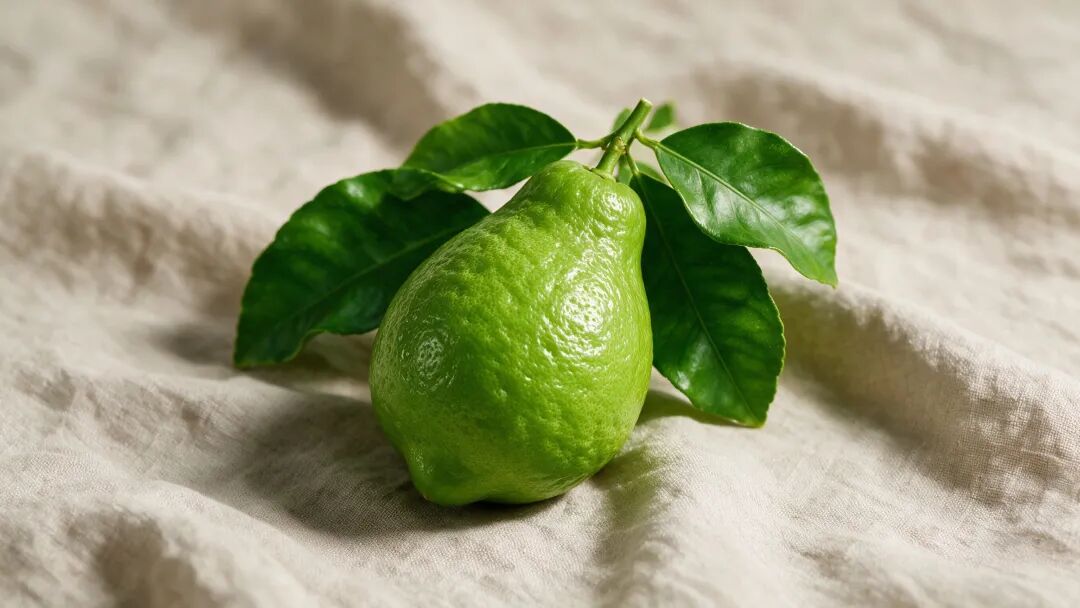
This pear-shaped citrus is a natural hybrid of bitter orange (sour orange) and lemon, scientifically known as Citrus bergamia. Its elegant fruit shape earned it the poetic nickname "prince's pear" in old Italy.
The cultural symbolism of bergamot is closely tied to its fresh scent. Neither overly sweet nor flamboyant, its crisp, tart aroma has come to represent a steadfast character—"preferring crisp purity over following the vulgar tide."
Its scent, tart at first sniff yet sweet on the dry-down, is often used to evoke shy and beautiful first love. In Italy, it symbolizes loyal and pure love, while in southern Chinese weddings, it carries the auspicious meanings of fertility and family harmony.
Most Famous Origin: Calabria, Italy
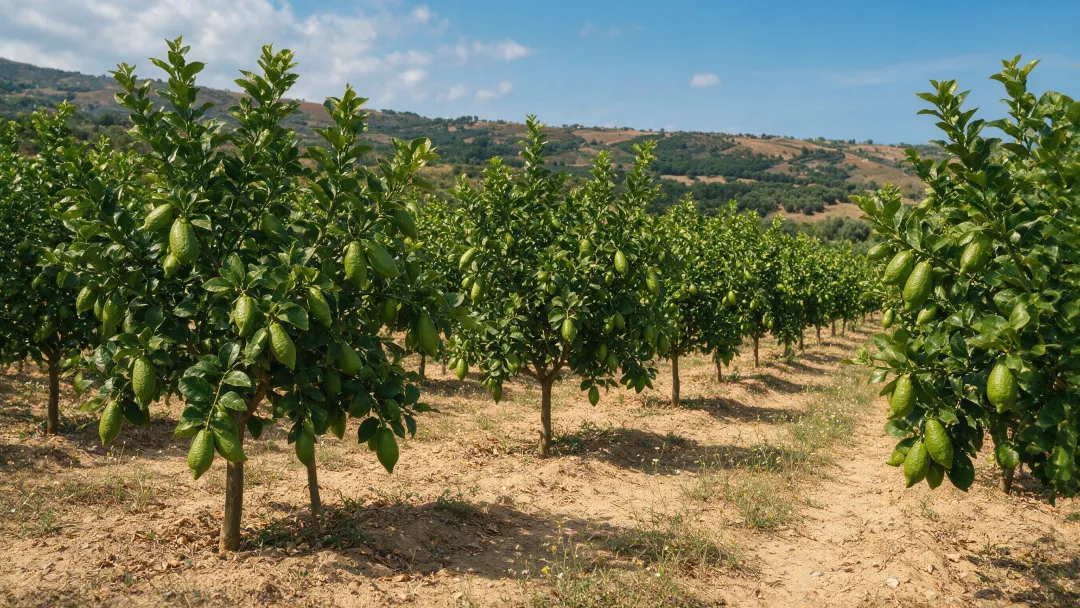
Over 90% of the world's finest bergamot essential oil comes from the Calabrian coast in southern Italy.
The temperate Mediterranean climate and volcanic ash soil endow the fruit with exceptional oil content and a rich, layered aroma, giving it an unmatched pure and radiant character.
Traditional Extraction Method: The Sponge Method
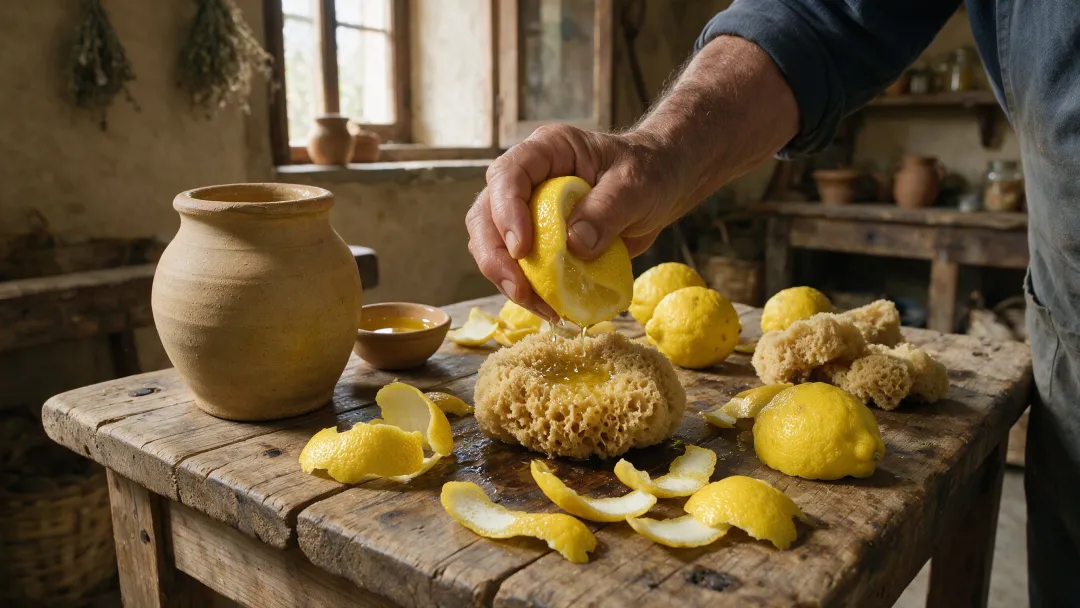
The most classic technique is the sponge method. Artisans take half a peel and press and rub it repeatedly in circular motions against a natural sponge or a fixed sponge surface. This action ruptures the densely packed tiny oil glands (oil vesicles) on the peel's surface, releasing the essential oil to be absorbed by the sponge. Once saturated, the sponge is squeezed into earthenware jars, where the oil is left to settle and clarify.
Modern Method: Cold-Pressing
Today, the cold-pressing method is used. Washed fruits are fed into cold-milling equipment, where rotating abrasive wheels gently abrade the outer peel's oil sacs. A water spray simultaneously rinses away the expressed oil. The resulting oil-water mixture is filtered and then sent to a high-speed centrifuge, where the oil is separated by density difference to obtain high-purity bergamot essential oil.
Notable Fragrances Featuring Bergamot
① Acqua di Parma · Blu Mediterraneo (Bergamotto di Calabria)
A highly authentic rendition of Calabrian bergamot's natural, fresh vitality—crisp and lively, like the shimmering Mediterranean breeze under the summer sun.
② Le Labo · Bergamote 22
Opens with a vibrant, juicy burst of bergamot and grapefruit. The green bitterness of petitgrain and the woody dry-down of vetiver add a layer of clean sophistication, making it a benchmark modern minimalist fragrance with a bergamot theme.
③ Guerlain · Aqua Allegoria · Bergamote Calabria
With Calabrian bergamot as the undisputed star, underpinned by the clean bitterness of petitgrain and lifted by a hint of ginger and spice in the base. It feels like biting into a fresh bergamot fruit glistening with morning dew—crisp, clear, and radiant.