
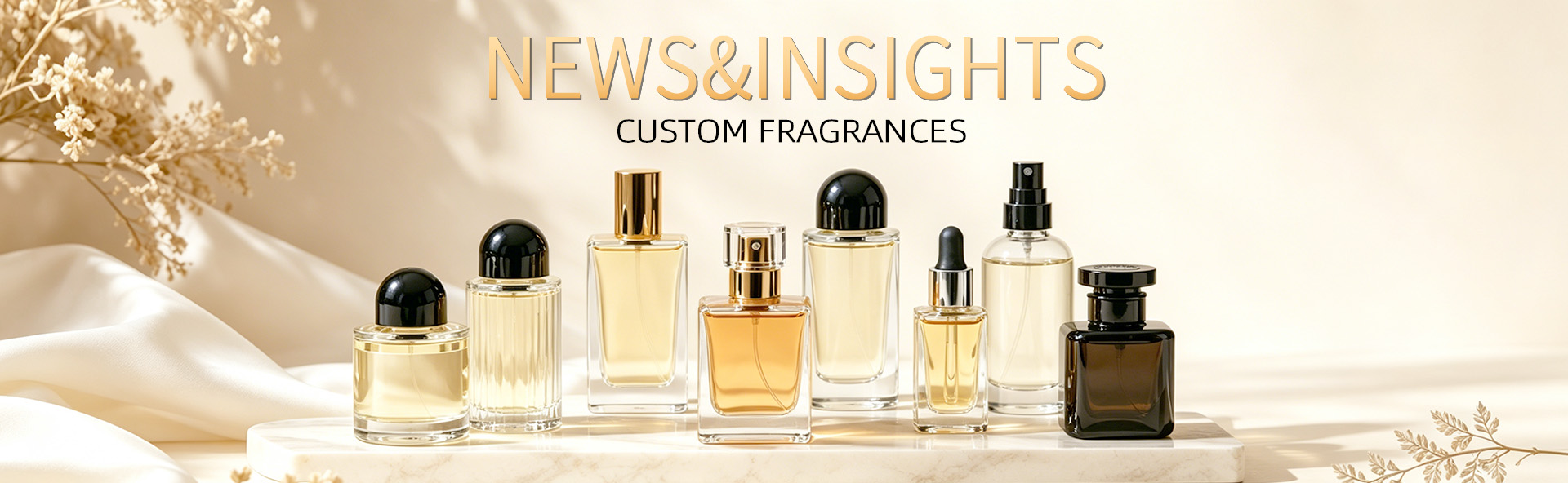
Perfume Contract Manufacturing: 6 Steps to Launching an Ultra-Luxury Fragrance Line
The global luxury fragrance market is experiencing a profound transformation. Discerning buyers are walking away from generic department store fragrances. Instead, they seek rare olfactive profiles, higher oil concentrations, and bespoke artistry.
Transforming a high-concept fragrance idea into a shelf-ready product in luxury boutiques requires specialized execution. You cannot rely on basic packaging or mass-market supply chains. You need a dedicated partner skilled in high-end execution.
This is where professional perfume contract manufacturing bridges the gap between vision and commercial reality. Elite production ateliers, such as Kourtisanes, provide the industrial infrastructure, master perfumer networks, and regulatory compliance needed to establish a prestige niche brand.
Here is your complete six-step roadmap to developing, formulating, and producing an ultra-luxury perfume collection from scratch.
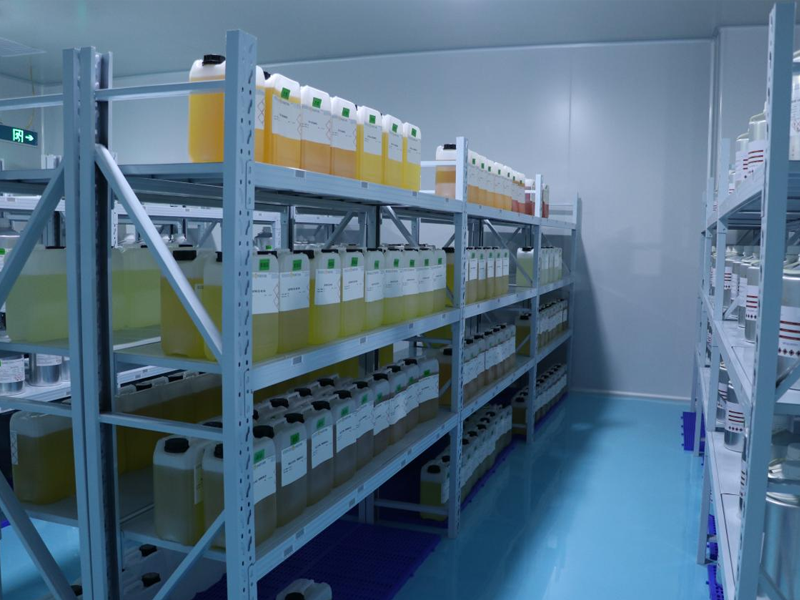
Step 1: Define Your Olfactory Identity and Brand Positioning
Ultra-luxury fragrance relies heavily on scarcity, craftsmanship, and narrative. Before approaching a contract production facility, you must establish clear creative and commercial boundaries for your product line.
Start by deciding on the fragrance concentration. Prestige brands avoid light, diluted formulas in favor of high-impact expressions:
Eau de Parfum (EDP): 15% to 20% fragrance oil concentration. Offers dependable projection and 6 to 8 hours of wear.
Extrait de Parfum (Pure Perfume): 20% to 40% concentration. Provides maximum longevity, intimate sillage, and richer dry-downs. This remains the gold standard for haute perfumery.
Next, outline your olfactory architecture. Decide whether your debut collection will focus on smoky woods, solar florals, vintage chypres, or amber gourmands. Build a clear brand brief that defines the emotional resonance of each scent.
Finally, set your retail pricing strategy. High-luxury niche fragrances typically retail between $250 and $600 for a 50ml or 100ml bottle. Establishing this retail benchmark early helps your manufacturing partner engineer your Bill of Materials (BOM) without sacrificing raw material quality.
Step 2: Vet the Right Perfume Contract Manufacturer
Not every cosmetic plant can handle the complexities of ultra-luxury perfumery. Standard contract packers often lack access to rare natural extracts, precision maceration tanks, and artisan packaging capabilities.
When assessing partners for perfume contract manufacturing, evaluate their operational model across these critical criteria:
1. Turnkey vs. Modular Production Capabilities
A true turnkey perfume manufacturer handles the complete product lifecycle: raw ingredient sourcing, master formulation, packaging engineering, regulatory filings, maceration, and bottle filling. Modular suppliers require you to manage multiple third-party vendors, which increases logistics risks and lead times.
2. Access to Master Perfumers (Noses)
Top-tier manufacturing ateliers maintain established relationships with legendary fragrance houses such as Robertet, Givaudan, Firmenich, and Symrise, as well as renowned independent perfumers. Your manufacturing partner should pair your brand brief with a master nose capable of executing complex accords.
3. Minimum Order Quantity (MOQ) Flexibility
Prestige brands rarely launch with 50,000 units per SKU. Look for a manufacturing partner offering agile production runs (between 1,000 and 5,000 units) that maintain strict quality standards, clean-room filling, and custom bottle assembly.
Step 3: Custom Formulation and Master Perfumer Collaboration
The formulation is the heart of your brand. In the luxury tier, off-the-shelf catalog oils will not suffice. Discerning clients quickly identify synthetic, generic bases.
Your manufacturer must focus on high-grade naturals alongside cutting-edge aroma molecules:
Traceable Natural Ingredients: Sourcing high-grade naturals such as wild-harvested Oud from Southeast Asia, Orris Butter from Florence, Centifolia Rose from Grasse, and Bourbon Vanilla from Madagascar.
Green Chemistry and Safe Synthetics: Utilizing pure macrocyclic musks, clean ambroxan, and sustainable bio-identical molecules that boost projection while complying with strict allergen standards.
Expect an iterative sampling process. The laboratory will ship multiple fragrance modifications (mods) on scent strips and in liquid form. Test these variations on different skin types over 12-hour periods to evaluate evaporation curves, sillage, and skin chemistry interactions.
During this stage, confirm that your contract explicitly assigns complete Intellectual Property (IP) and formulation rights to your company. Bespoke formulations must remain exclusive to your brand.
Step 4: Bespoke Packaging and Tactile Luxury Design
In high perfumery, packaging provides the first tactile touchpoint. Weight, balance, material density, and sprayer acoustics convey luxury long before the customer smells the fragrance.
Collaborate with your partner to engineer distinctive, custom components:
Heavy-Weight Glass: Use high-flint cosmetic glass or lead-free crystal with thick bases, hand-polished finishes, and no visible mold seams.
Zamac and Magnetic Closures: Replace lightweight plastic caps with cold, dense zinc-alloy (Zamac) caps that feature precise magnetic click closures.
Micro-Mist Actuators: Install high-performance crimp pumps that deliver a wide, continuous micro-mist without spitting or dripping.
Rigid Secondary Packaging: Design heavy rigid boxes lined with custom EVA velvet inserts, wrapped in FSC-certified embossed papers, and finished with hot-stamped foil details.
Modern luxury manufacturing ateliers, including Kourtisanes, emphasize structural durability alongside aesthetics. Every pump, collar, and bottle neck must pass leak-resistance and drop tests before mass production begins.
Step 5: Maceration, Cold Filtration, and Quality Control
The crucial difference between mass-market production and luxury perfumery lies in aging and patience. Freshly blended fragrance concentrates contain volatile organic compounds that require time to harmonize with pure denatured alcohol.
Professional perfume contract manufacturing relies on a two-phase aging protocol:
Phase 1: Concentrate Maturation
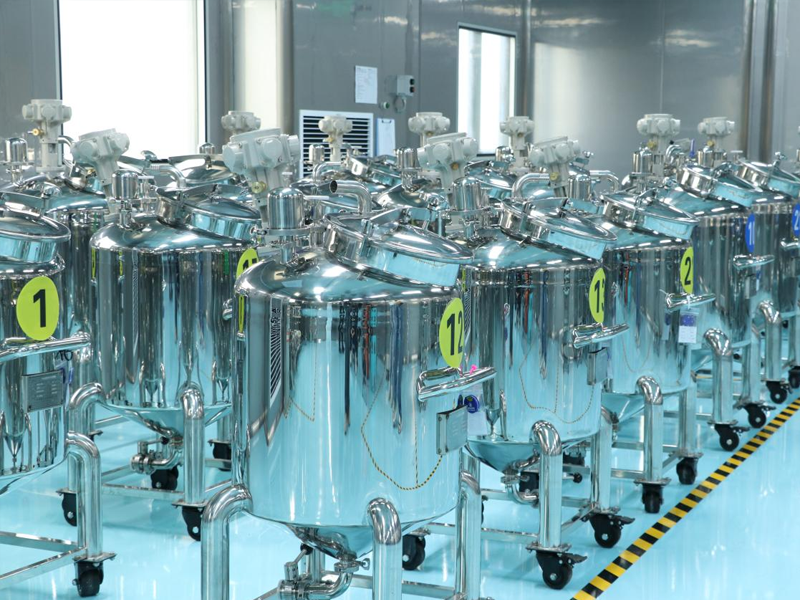
The raw essential oils, absolutes, and aroma chemicals rest together in temperature-controlled stainless steel drums for 2 to 4 weeks. This allows the various natural compounds to interact chemically and soften harsh notes.
Phase 2: Alcoholic Maceration
The matured oil concentrate is blended with high-grade perfumer's alcohol (SD Alcohol 40-B) and demineralized water. The solution sits in dark, chilled tanks for an additional 4 to 8 weeks. This step eliminates sharp alcohol notes, enriches the base notes, and stabilizes the color.
Phase 3: Freezing and Precision Filtration
Natural botanical extracts contain natural waxes and lipids that can precipitate and cause haziness over time. The aged fragrance is chilled to near-freezing temperatures (0°C to 4°C) to force these waxes to solidify, then passed through sub-micron filter presses. The result is a sparkling, crystalline liquid that remains stable across varied climates.
Step 6: Regulatory Compliance, Cleanroom Filling, and Global Delivery
Before your fragrance can appear on boutique shelves in London, Paris, New York, or Dubai, it must clear rigorous global cosmetic compliance hurdles. International regulations evolve quickly, making technical compliance a fundamental part of contract production.
Your manufacturing partner must provide comprehensive regulatory management:
IFRA Standards: Formulating strictly in line with the latest International Fragrance Association amendments to ensure all ingredients fall within safe dermal limits.
EU and UK CPNP Notification: Preparing the Cosmetic Product Safety Report (CPSR) with a qualified toxicologist and completing registration on the Cosmetic Product Notification Portal.
US FDA MoCRA Compliance: Ensuring facility registration, product listing, and ingredient disclosure meet the Modernization of Cosmetics Regulation Act requirements.
Safety Data Sheets (SDS): Generating updated 16-point SDS documentation and handling Dangerous Goods (DG) declarations for transport.
Once certified, the fragrance enters the cleanroom for filling. Automatic crimping, pneumatic collar fitting, batch coding, and cellophane wrapping occur in an ISO 22716-certified (Good Manufacturing Practice) environment. Products are then palletized and transported via certified hazardous material logistics networks.
Building Your Signature Fragrance Brand
Launching an ultra-luxury perfume line demands technical discipline, deep sensory understanding, and precise packaging engineering. Every decision—from raw extract origins to the acoustic click of a magnetic cap—affects how consumers perceive your brand.
By partnering with an experienced provider in perfume contract manufacturing like Kourtisanes, you turn an ambitious artistic vision into an exceptional, compliant, and shelf-ready fragrance brand.
Contact Our Fragrance Development Specialists to schedule a technical consultation, explore master formulation archives, and request your bespoke prototyping kit.
Frequently Asked Questions (FAQ)
Q1: What is the typical lead time for perfume contract manufacturing?
A1: Launching a bespoke luxury fragrance collection usually takes 6 to 9 months. This timeline accounts for custom olfactory development and sampling (6 to 8 weeks), custom bottle tooling and cap production (8 to 12 weeks), stability testing and regulatory filing (4 to 6 weeks), fragrance maturation and maceration (6 to 8 weeks), and final cleanroom filling and assembly (2 to 3 weeks).
Q2: What is the difference between private label and custom contract manufacturing for perfume?
A2: Private label production involves selecting pre-made, stock fragrance oils and pouring them into standard catalog bottles with a custom sticker. In contrast, custom contract manufacturing develops completely exclusive, bespoke formulations from scratch, sources rare custom raw materials, opens proprietary glass and cap molds, and handles full-scale global regulatory clearance exclusively for your brand.
Q3: What are the minimum order quantities (MOQs) for luxury contract perfume production?
A3: MOQs vary based on component customization. For semi-custom packaging using stock luxury glass with custom screen-printing and bespoke juice formulation, MOQs generally start around 1,000 to 2,000 units per SKU. Fully bespoke projects that require custom-molded glass bottles or custom Zamac caps typically require an MOQ of 5,000 to 10,000 units to offset industrial tooling costs.
Q4: Who owns the intellectual property (IP) of the custom perfume formula?
A4: In a professional contract manufacturing agreement, the brand owner should retain full ownership of the unique formula and brand assets upon payment of formulation and development fees. Always review your manufacturing agreement to confirm that the contract grants you formula ownership and non-disclosure protections, preventing the manufacturer from reusing your exact concentrate for other clients.
Q5: Why is the maceration process necessary for luxury fragrances?
A5: Maceration allows the natural and synthetic aroma molecules to bond chemically with the alcohol base. Without adequate aging (typically 4 to 8 weeks in temperature-controlled tanks), the fragrance will smell harsh and alcoholic upon initial spray, the scent pyramid will collapse unevenly, and the blend will lack longevity and depth. Skipping maceration results in an unstable, unrefined product that underperforms in luxury retail environments.